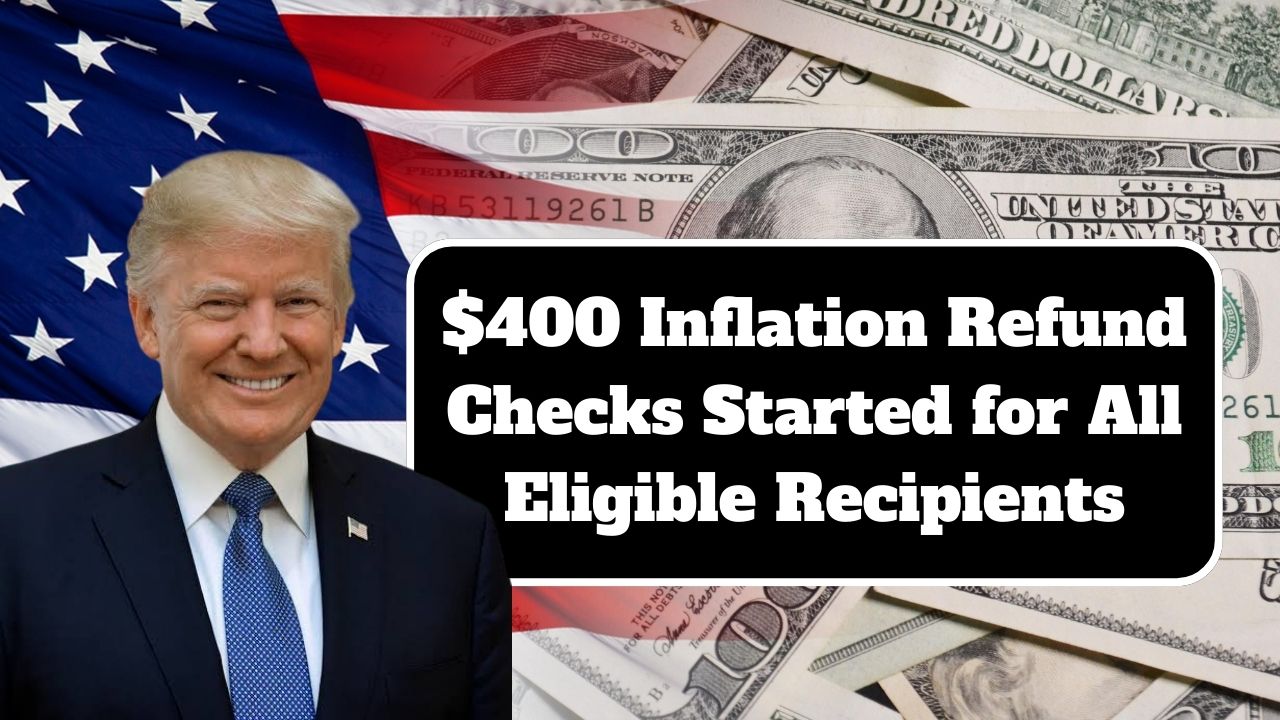
In a significant move aimed toward easing the monetary burden of rising living costs, New York State has started disbursing one-time inflation refund checks of up to $400 to millions of residents. This initiative, part of the 2025–2026 state finances, marks the primary-ever inflation rebate program of its type in the state’s records and represents a right away cash payment to eligible individuals and households.
Background and Purpose
Governor Kathy Hochul introduced the inflation refund checks in May 2025, framing the payments as a manner to return surplus sales — especially revenue boosted with the aid of higher-than-expected sales tax collections — to citizens as opposed to maintaining it in state coffers. The idea is to position payment lower back into the fingers of taxpayers who’ve felt the effects of inflation on requirements which include groceries, fuel, housing, and utilities.
This program became blanketed as a part of the FY 2026 State Budget, in which the governor also advanced different affordability measures, along with tax cuts for the center class and expansions to tax credits and frequent free school meals.
Who Qualifies
Although the program is regularly described colloquially as “$400 for everyone,” eligibility is narrowed by precise criteria tied to 2023 New York State tax filings. To receive an inflation refund check, residents must meet these key necessities:
- Filed a 2023 New York State resident income tax return (Form IT-201).
- Reported income within the established thresholds.
- Not claimed as a dependent on another taxpayer’s return.
From these criteria, the refund amount varies by filing status and income bracket:
- Joint filers (married) with income up to $150,000 will receive $400.
- Joint filers with income greater than $150,000 but not more than $300,000 will receive $300.
- Single filers with income up to $75,000 will receive $200.
- Single filers with income above $75,000 but not more than $150,000 will receive $150.
There are also provisions for different filing types consisting of heads of family and qualifying surviving spouses below similar sliding scales.
How and When the Payments Are Being Distributed
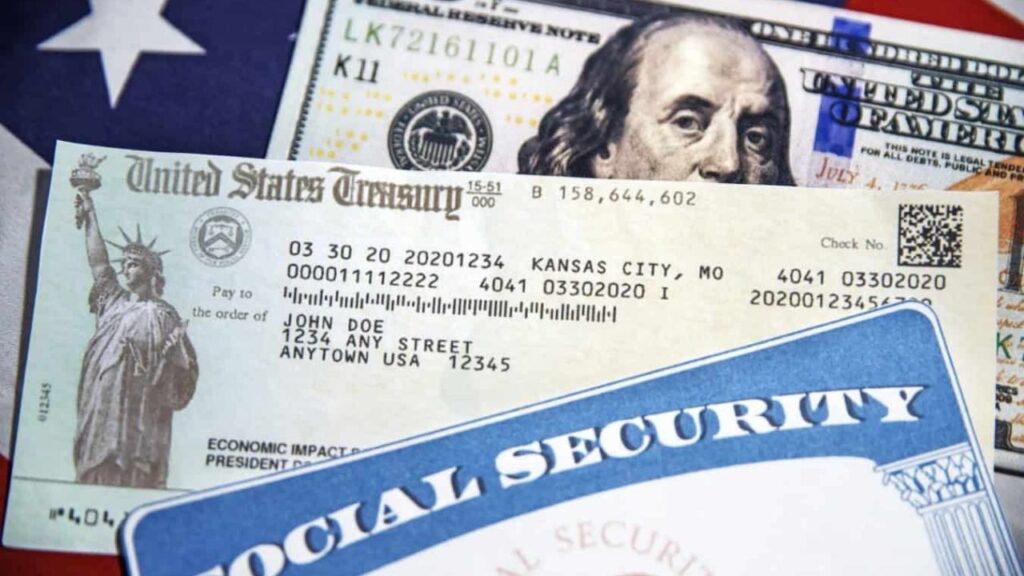
The inflation refund checks commenced mailing at the stop of September 2025. The New York State Department of Taxation and Finance has said that over 8.2 million households will acquire refunds by mail, with distributions stretching through October and November 2025, and a few recipients still reporting arrivals into December.
Recipients do no longer need to use or submit extra paperwork — checks are mailed mechanically to the address listed on their most latest tax return. Due to the massive extent of checks and the mailing manner itself, shipping times range, and not all eligible families get hold of their payments concurrently.
Public Response and Context
For many recipients, the refund has offered welcome relief amid continual financial pressures. Reports from citizens spotlight both pleasure approximately receiving the payments and low delays or confusion about timing.
Officials have also warned approximately scams tied to those checks. Fraudsters have impersonated government agencies thru unsolicited texts, emails, and calls claiming that recipients must put up non-public or economic information to get hold of the refunds. State government pressure that no motion is needed beyond assembly eligibility criteria and urge vigilance towards scams.
The checks have additionally sparked broader dialogue about the role of direct rebates in state financial policy. Some analysts see them as a short-term cushion in opposition to inflation’s consequences, while others debate their long-term effect on spending and inflationary trends.
Conclusion
The rollout of as much as $400 inflation refund checks represents a focused attempt by way of New York State to ease cost-of-living pressures for tens of millions of citizens. By returning surplus tax sales immediately to taxpayers — with out a program required — the initiative underscores a broader style in economic coverage that prioritizes direct comfort over oblique measures. While the amounts range based totally on income and submitting status, the refunds provide immediate, tangible guide for families navigating monetary challenges. As distribution continues and residents receive their checks in mailboxes across the state, the broader effects of this program — both socially and economically — will continue to be evaluated. Overall, this approach blends responsiveness to public needs with careful eligibility criteria, making it a noteworthy example of state-level inflation relief in practice.