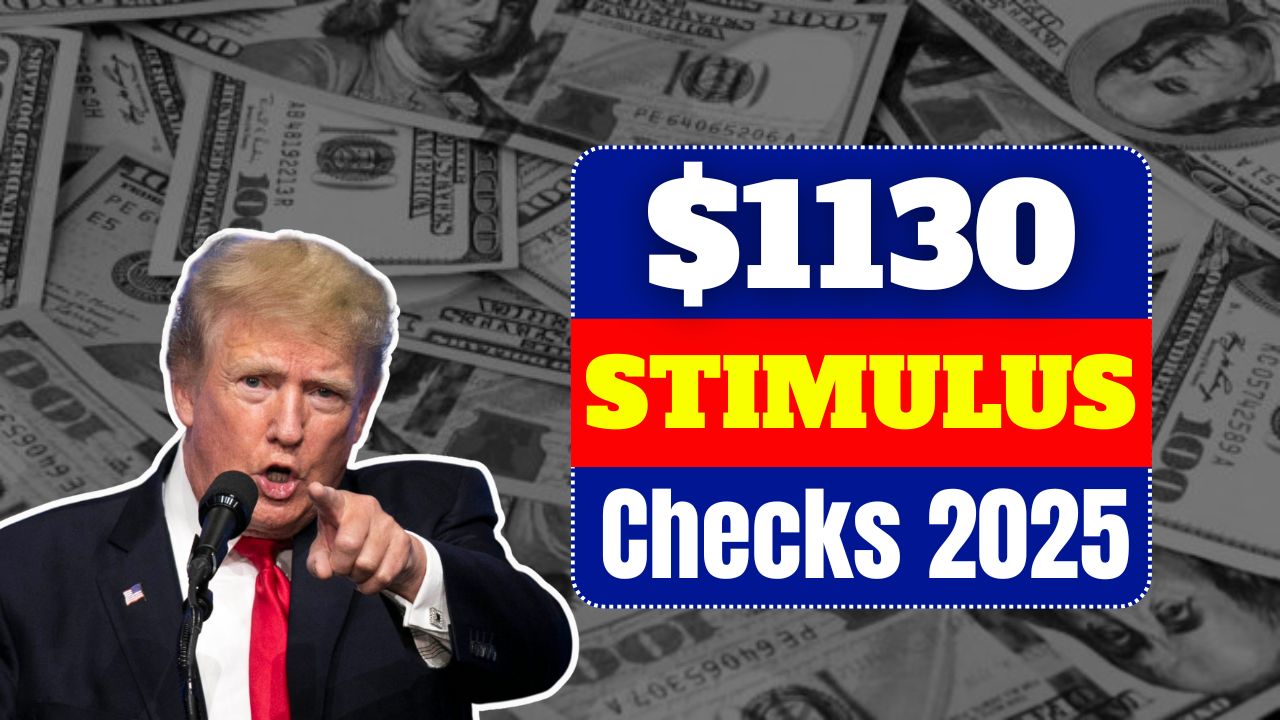
Discussion is intensifying in the US regarding the proposed $1,130 stimulus check for 2025. The main reason for this is that average American families are struggling with the pressure of continuously rising inflation, high rents, increasing healthcare costs, and everyday expenses. In such times, this one-time financial assistance from the government could provide much-needed relief for many. This payment is specifically designed to target low- and middle-income individuals and families, ensuring that those most burdened by economic hardship receive direct assistance.
In this article, we will explain in simple and clear language what this $1,130 stimulus check is, its purpose, when and how the money might be received, who is eligible, and whether a separate application will be required.
What is the $1,130 Stimulus Check 2025?

The $1,130 stimulus check is considered part of a broader relief plan expected to be implemented in 2025. It differs slightly from the stimulus checks issued during the COVID-19 pandemic, as this time the government is adopting a more targeted approach. This means the money will not be given to everyone, but rather to those families and individuals who have been most affected by inflation and the rising cost of living.
The main objective of this plan is to provide short-term economic relief, allowing people to manage essential expenses such as rent, groceries, utility bills, or medical costs more easily. The government also hopes that this money will be spent in the market, thereby strengthening the local economy.
[also_read id=”2272″]
Plan Overview
Here is some key information about the proposed stimulus payment:
- Payment Amount: $1,130 (one-time payment)
- Target Group: Low- and middle-income families
- Issuing Authority: Internal Revenue Service (IRS)
- Payment Methods: Direct deposit, paper check, debit card
- Distribution Process: Phased distribution in 2025
- Official Reference: IRS website
What is the purpose of this stimulus payment?
According to the IRS, the main purpose of this 2025 stimulus payment is to alleviate the economic stress caused by persistent inflation. In recent years, the cost of housing, health insurance premiums, medications, and everyday necessities has increased rapidly in the United States. This has particularly affected families with limited incomes or those who rely on fixed incomes.
Three main objectives are being cited for this plan. First, to provide direct assistance to families under financial pressure. Second, to boost consumer spending to keep money flowing in the economy. And third, to mitigate some of the inequalities created by inflation, especially for the working class and senior citizens.
When and how will the payment be received? (Payment Timeline)
The IRS typically issues stimulus payments in phases, rather than all at once. This reduces the burden on the system and allows for a more organized payment process. The same approach is expected to be used in 2025.
Those with bank accounts already on file with the IRS will likely receive their payments first. This will be followed by Social Security beneficiaries, and then those receiving payments via paper checks or prepaid debit cards. While exact dates have not yet been announced, it is expected that the payments will be distributed gradually over several months during 2025.
What payment methods will be available in 2025?
The IRS can send this stimulus check in several ways. Each method has its own speed and process.
Direct Deposit:
This is considered the fastest and most secure method. Those whose bank account information is up-to-date with the IRS are most likely to receive the money first.
Paper Check:
This method is relatively slower because it involves mailing the check. There is also a possibility of delays or problems related to mail delivery.
Debit Card:
In some cases, the IRS may send a prepaid debit card. This card needs to be activated before it can be used.
The IRS itself advises that those who want to receive their payment quickly should keep their bank details updated and prioritize direct deposit.
Do I need to apply for the $1,130 stimulus check?
Most eligible individuals will not need to apply separately for this stimulus check. The IRS typically issues payments automatically based on existing tax records or government benefits data.
However, in some specific circumstances, you may need to file a tax return. For example, if you haven’t filed taxes in recent years, your number of dependents has changed, or you have changed your address or bank account, filing a return may be necessary to provide the IRS with updated information. This ensures that the payment reaches the correct person at the correct time.
[also_read id=”2405″]
Conclusion
The $1,130 stimulus check expected in 2025 could be a crucial source of financial relief for millions of Americans. In this prolonged period of inflation, where the cost of basic necessities continues to rise, this one-time assistance can help many families manage their budgets. The phased payment system, clear eligibility criteria, and focus on those most in need make this plan more effective than previous ones.This makes them more effective than other methods.
If you are eligible for this payment, the most important thing is to keep your IRS records, especially your bank and address information, up to date. Having accurate information will ensure you receive this relief without delay and can take full advantage of this financial assistance.
FAQs
Q1. Who is eligible for the $1,130 stimulus check in 2025?
Low- and middle-income individuals and households who meet IRS income and filing requirements may qualify.
Q2. Do I need to apply for the $1,130 stimulus payment?
No, most eligible people will receive the payment automatically based on IRS tax or benefit records.
Q3. When will the $1,130 stimulus checks be sent out?
Payments are expected to be distributed in phases throughout 2025, though exact dates have not been announced.
Q4. How will the stimulus money be delivered?
Payments may be sent by direct deposit, paper check, or prepaid debit card.
Q5. What should I do to avoid delays in receiving the payment?
Make sure your bank details, address, and tax information are updated with the IRS.