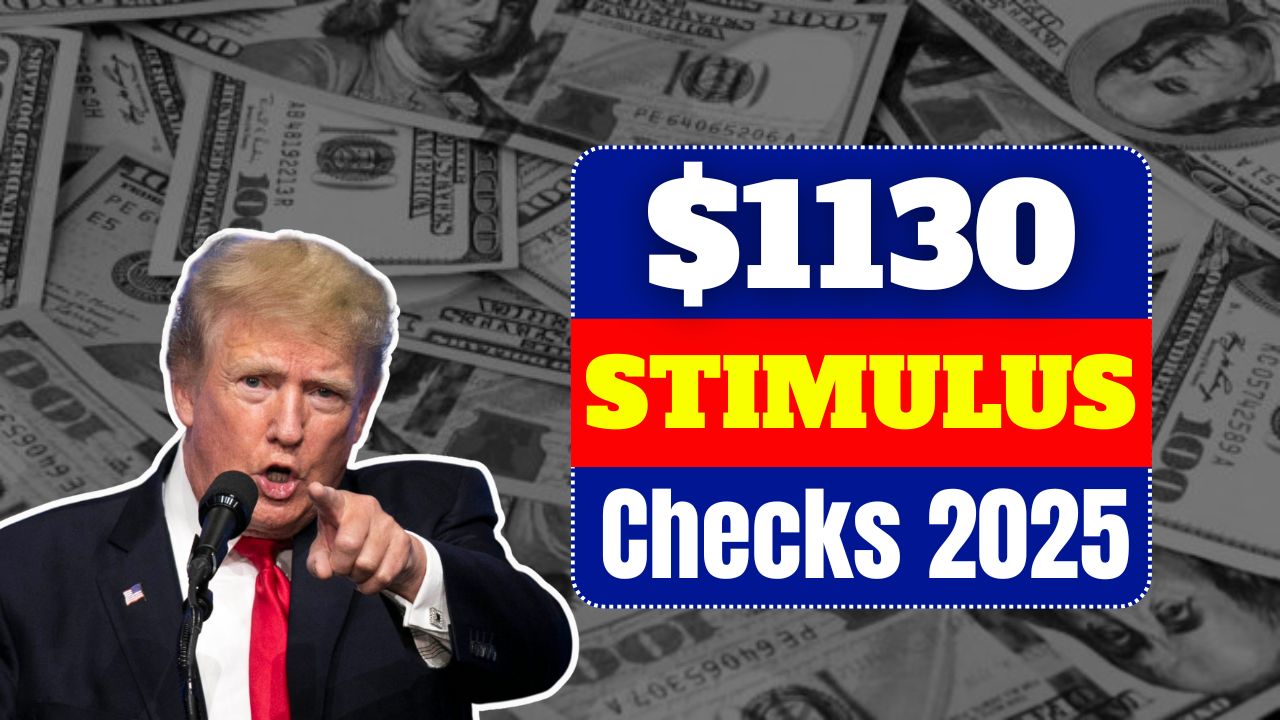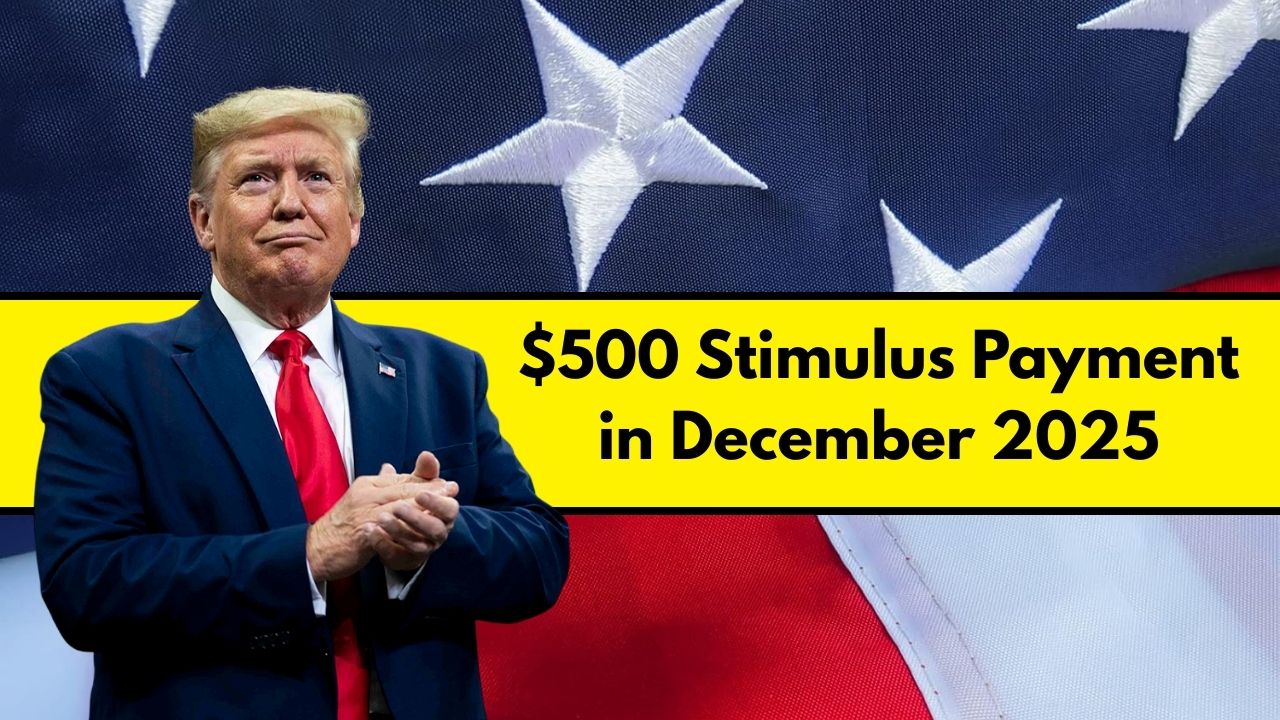
As the end of 2025 procedures, conversations about financial relief and government help payments have once more captured public interest — especially online. Among the maximum widespread claims circulating on social media this December are assertions that the Internal Revenue Service (IRS) will difficulty a $1,500 federal stimulus payment to Americans as year-end financial relief. Such narratives promise a money windfall to millions of taxpayers, creating optimism amongst people dealing with rising living costs in areas like housing, food, utilities and healthcare.
However, a careful check of authentic assets and latest reporting shows that no new federal stimulus payment of $1,500 has been authorized by means of Congress or showed by using the IRS for December 2025. Despite the hopeful headlines, the truth is an awful lot greater nuanced.
Origin of the $1,500 Stimulus Claims
The concept of a federal stimulus payment this holiday season traces returned to viral social media posts and online speculation approximately IRS direct deposit programs. Many of these narratives reference dollar amounts like $1,390, $1,702 or even $2,000 — figures that don’t have any official grounding in federal legislation or IRS bulletins for 2025. The IRS itself has warned taxpayers to be cautious of such claims, as no stimulus program deal has been signed into regulation that could authorize a national coins distribution this year.
Political proposals have additionally delivered to the confusion. For instance, a few lawmakers and commentators have floated principles such as a “tariff dividend” that could hypothetically provide annual rebate checks funded via tariff revenue. These are policy thoughts under discussion in political circles however have now not superior into enacted law, and therefore do now not translate into guaranteed payments for Americans.
What Is Actually Happening in 2025
While a new federal $1,500 stimulus payment is not being issued, there are several legitimate forms of financial relief occurring at both federal and state levels:
1. Unclaimed Pandemic Era Stimulus Credit:
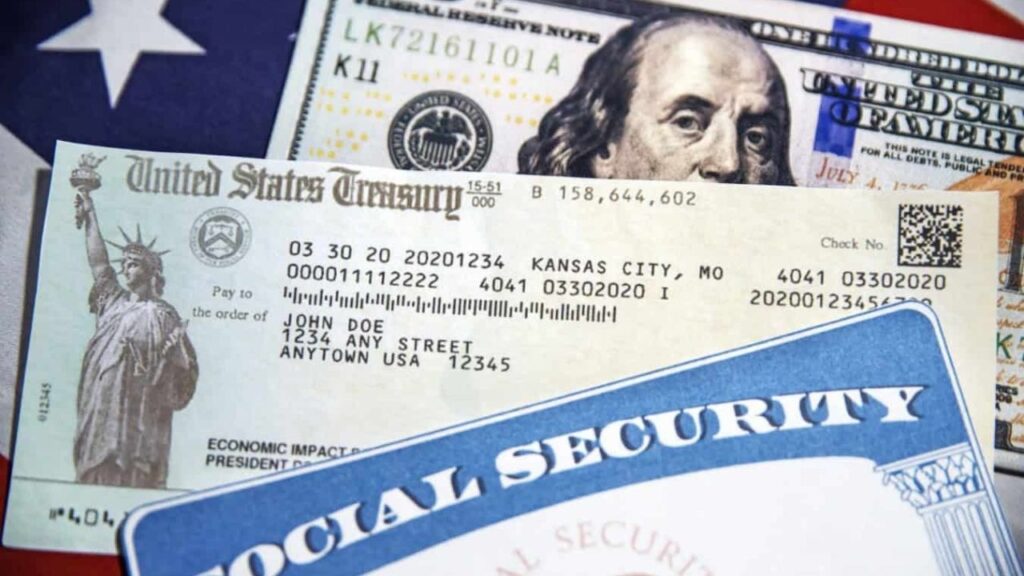
The IRS has been issuing Recovery Rebate Credit payments of up to $1,400 to taxpayers who didn’t receive the full stimulus amounts they were entitled to during the COVID-19 era. These payments were part of efforts to finish distributing leftover funds from past relief packages.
2. State-Level Rebate Programs:
Various states have their own rebate and refund programs that can bring payouts in the hundreds or even over a thousand dollars this holiday season. For example:
- Some states are distributing tax rebates or property tax relief payments that can reach up to $1,500 for eligible residents — notably not from the IRS but through state revenue programs.
- New York, for example, has programs like STAR property-tax relief that issue credits or checks up to $1,500 to qualifying homeowners.
These state initiatives can provide meaningful support to residents, especially those with lower incomes or higher local tax burdens, and may be the source for much of the “$1,500 payment” discussion.
Why Rumors Spread and How They Affect People
Rumors about federal stimulus payments often surge during times of economic concern. With inflation still a factor in household budgets and energy costs remaining substantial, the idea of an easy government check is naturally attractive. However, this environment also creates fertile ground for misinformation and scams.
The IRS and client protection businesses have time and again warned taxpayers about fraudulent messages that reference faux stimulus checks or direct deposits. These scams frequently mimic official government branding but are designed to trick individuals into sharing personal or banking facts. The IRS emphasizes that it does no longer provoke contact about stimulus payments through unsolicited texts or emails.
Tips to Stay Informed and Safe
- Always check IRS.gov or relied on information shops for updates — now not social media posts.
- If you receive an surprising message claiming to be from the IRS, confirm it in opposition to your reliable IRS account or touch the IRS immediately.
- Be specially wary of requests that ask for non-public information in alternate for supposed payments.
Conclusion
The notion of a $1,500 federal stimulus payment from the IRS in December 2025 is a compelling tale, however it does now not replicate the present day policy or any confirmed government movement. While many Americans are certainly receiving monetary relief through state rebate programs and retroactive tax credit, those need to not be burdened with a new national stimulus check. Rumors and incorrect information can misinform and now and again harm taxpayers specifically all through times whilst economic pressure is already high.
Financial assist continues in various forms, however everybody hoping for a federal excursion check this year need to depend upon reliable announcements and proven assets, in preference to viral online claims. Responsible public focus and careful verification remain to be essential tools for navigating complicated economic landscapes and ensuring that real relief reaches the folks that need it.